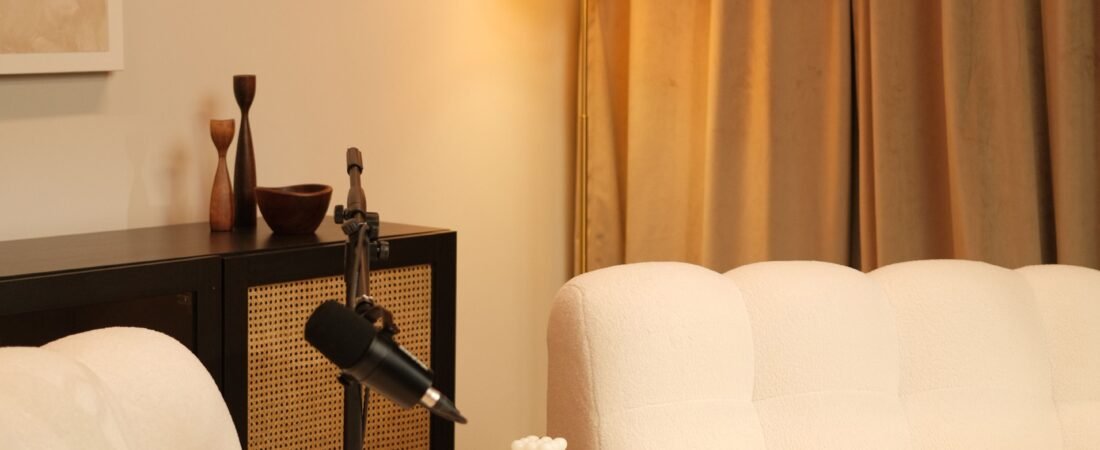
A beautiful home does not have to be filled with designer furniture or expensive finishes. Often, the spaces that feel the most elevated are simply more considered. The right proportions, materials, lighting, and styling choices can make an ordinary room feel polished, intentional, and much more luxurious.
The key is not adding more. It is choosing a few details that have a strong visual impact and allowing them to shape the room.
Here are seven things that can make your home look more expensive than it actually is.
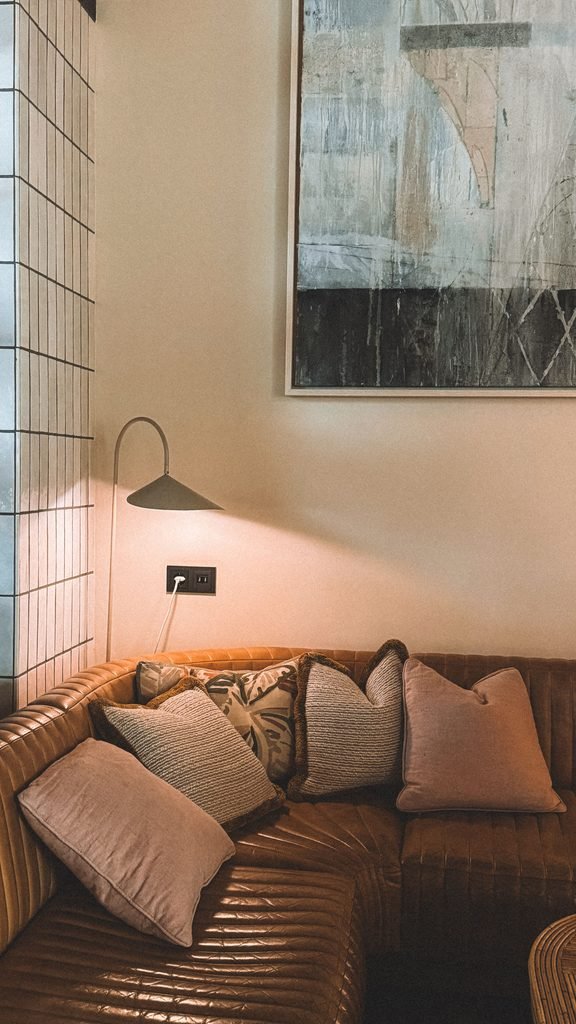
1. Oversized Artwork
Small pieces of art can sometimes get lost on a large wall, while one oversized piece immediately gives a room more presence. A large painting, photograph, or framed print can make even a simple living room or bedroom feel more intentional. It creates a strong focal point without requiring lots of smaller decorative pieces around it.
If one large piece is not available, a carefully arranged pair or trio of larger frames can create a similar effect. Keep the frames simple and make sure the artwork has enough breathing room around it. The goal is to make the wall feel purposeful rather than filled simply because it was empty.
2. Curtains That Reach the Floor
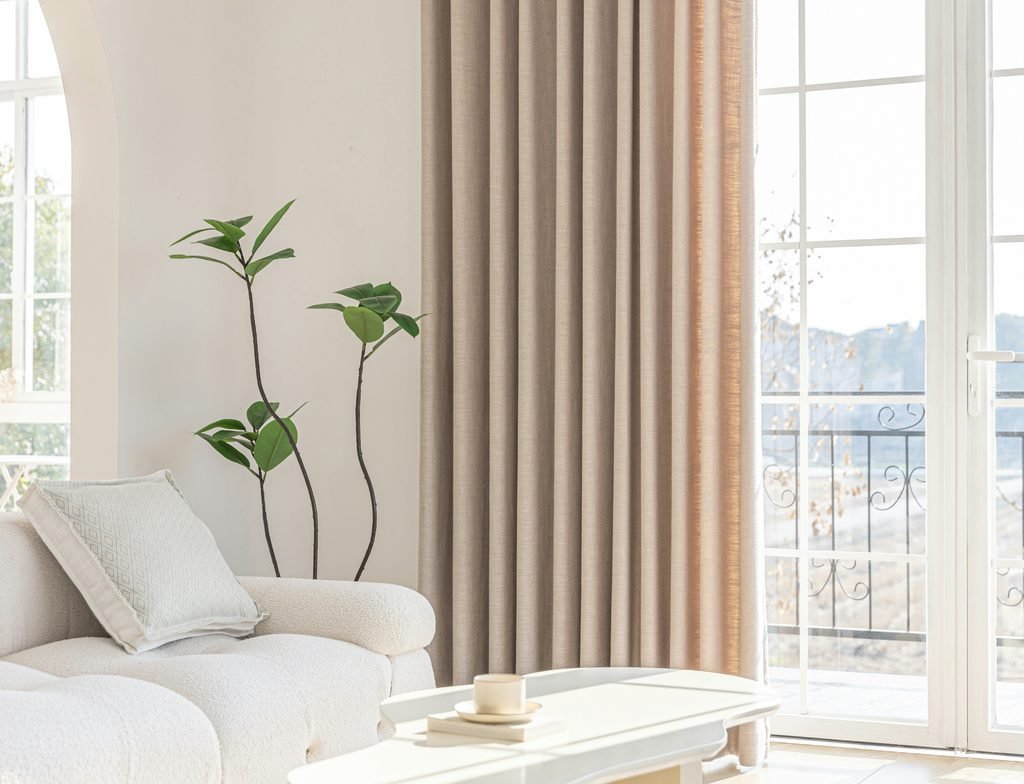
Curtains have a surprisingly big effect on how polished a room feels. Instead of hanging the curtain rod directly above the window frame, place it higher and allow the curtains to fall all the way to the floor. This draws the eye upward and can make ceilings appear taller and windows feel larger.
Choose fabric with a soft drape rather than anything too stiff or shiny. Linen-look curtains, warm neutrals, soft taupes, and creamy tones can all create an elegant look without being overly formal. Even inexpensive curtains can look significantly more luxurious when they are hung at the right height and length.
3. Large-Scale Lighting
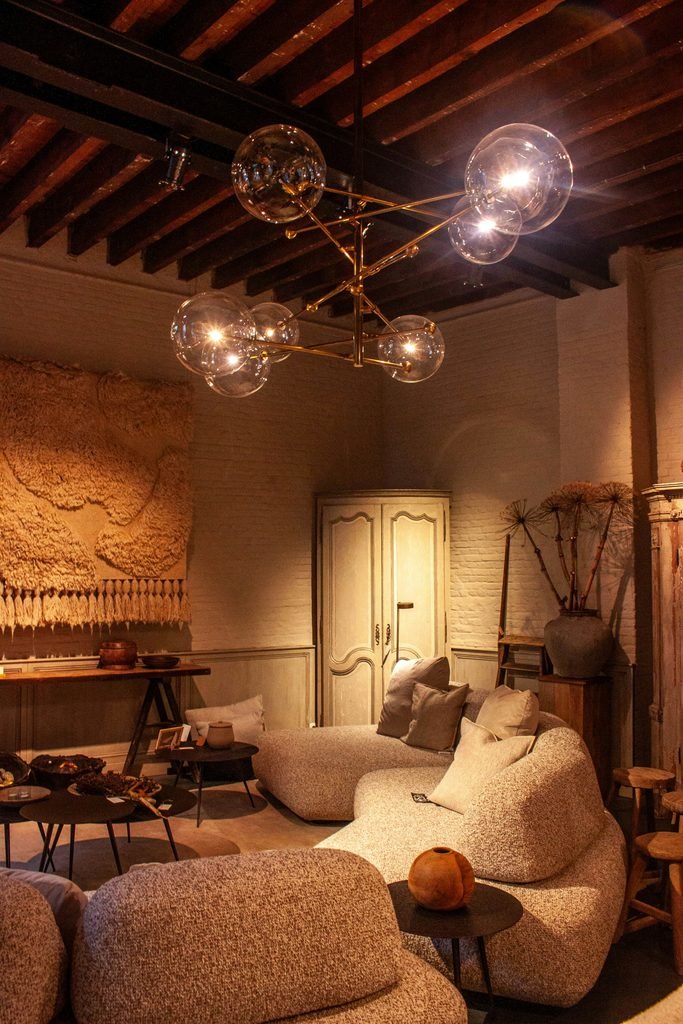
Lighting is one of the easiest places to create a more expensive-looking room. A tiny pendant or understated ceiling fixture can disappear in a space, while a larger chandelier, sculptural pendant, or substantial table lamp adds visual weight and character.
Think of lighting as part of the decor rather than simply something functional. In a living room, try a generously sized floor lamp beside the sofa or a statement lamp on a console. Over a dining table, a larger pendant can anchor the entire space. Warm bulbs also make a difference, helping wood, textiles, and neutral colors feel richer and more inviting.
4. Fewer, Better Decorative Objects
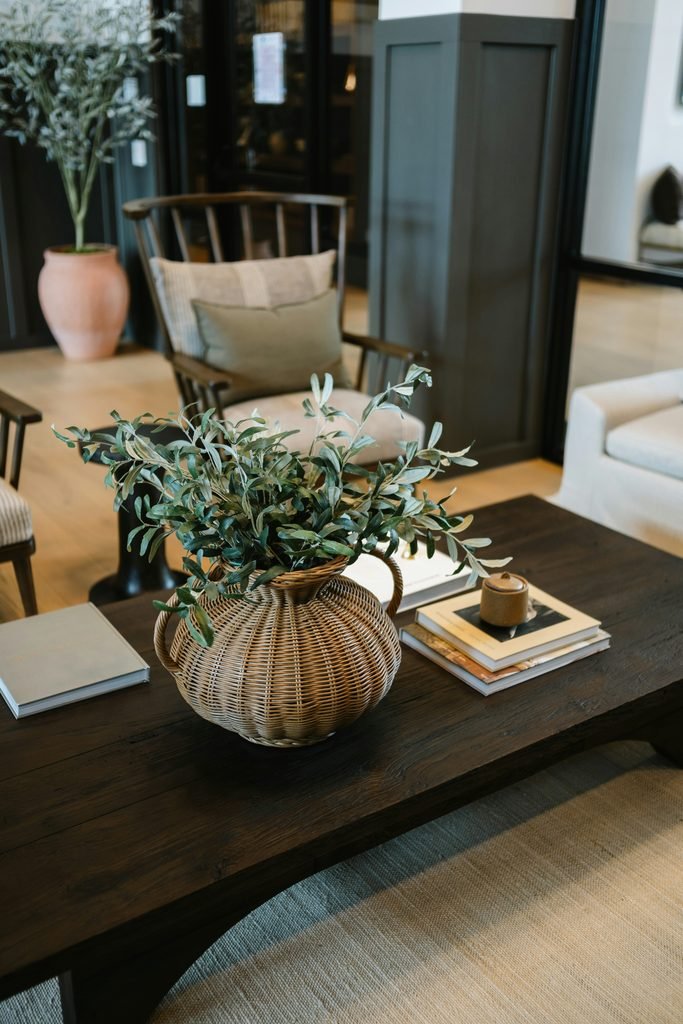
Luxury interiors rarely feel crowded with dozens of small accessories. Instead of filling every shelf and tabletop, choose a smaller number of objects that have interesting shapes, textures, or meaning. A ceramic bowl, a stack of books, a sculptural vase, or a beautiful candleholder can have more impact when it has space around it.
This does not mean your home should feel minimal or empty. It simply means giving your favorite pieces room to be noticed. Editing a surface can often make it feel more expensive without buying anything new.
5. Consistent Hardware and Finishes
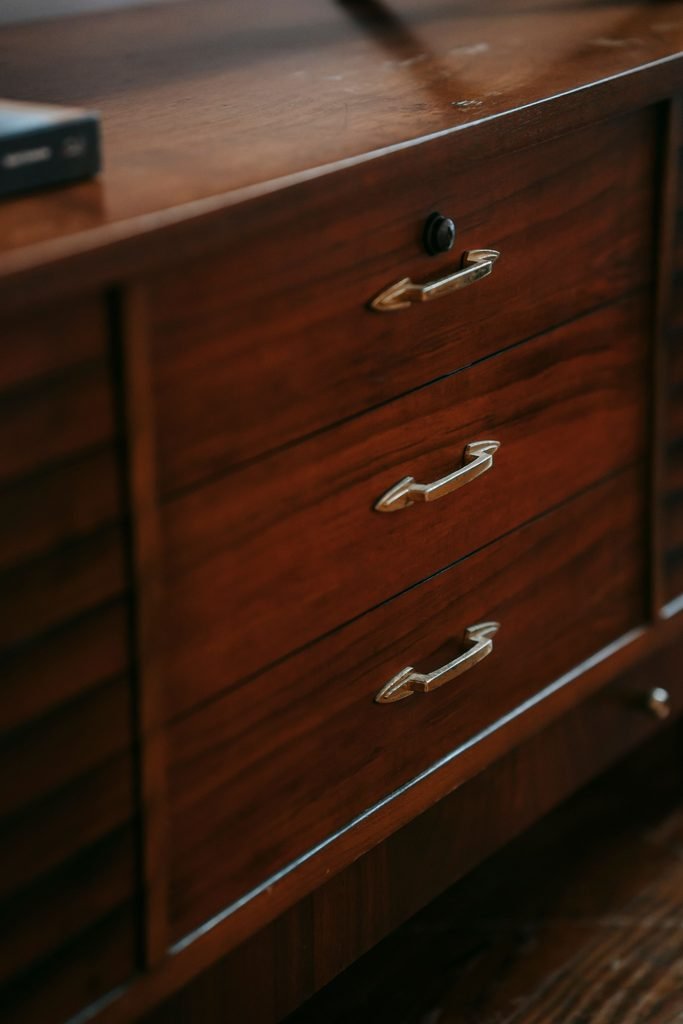
Small details can quietly influence how cohesive a room feels. Cabinet handles, door hardware, curtain rods, light fixtures, and other metal details do not all need to match perfectly, but they should feel intentional together.
For example, aged brass can work beautifully with warm wood and cream tones, while darker bronze or black hardware can add contrast to a neutral room. If a space contains too many unrelated finishes, it can sometimes feel visually busy. Repeating one or two finishes throughout the room creates a more considered look. Replacing inexpensive cabinet knobs or drawer pulls can also be a relatively simple way to refresh furniture or cabinetry.
6. Closed Storage That Reduces Visual Clutter
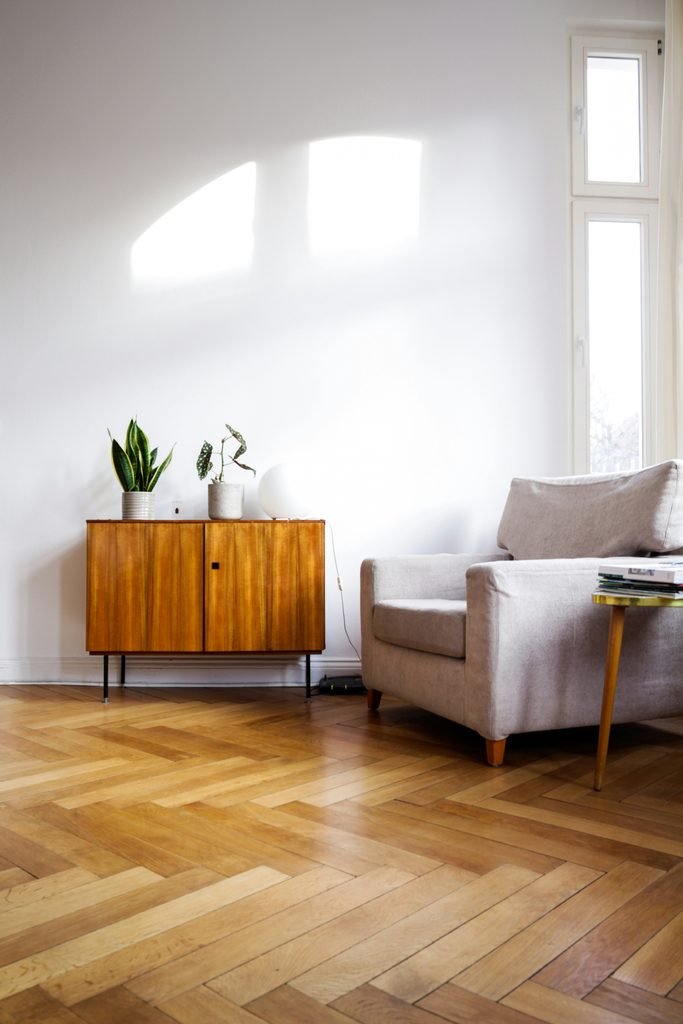
A room often looks more expensive when the eye has a few calm places to rest. Open shelves can be beautiful, but not everything needs to be displayed. Closed cabinets, baskets, drawers, and storage benches help hide everyday items while allowing the more attractive pieces to remain visible.
This is especially useful in living rooms, bedrooms, and entryways where chargers, paperwork, remote controls, shoes, and other small items can quickly accumulate. Reducing visual clutter makes furniture, artwork, and architectural details stand out more. The result usually feels calmer, cleaner, and more intentional.
7. Natural-Looking Materials and Rich Textures
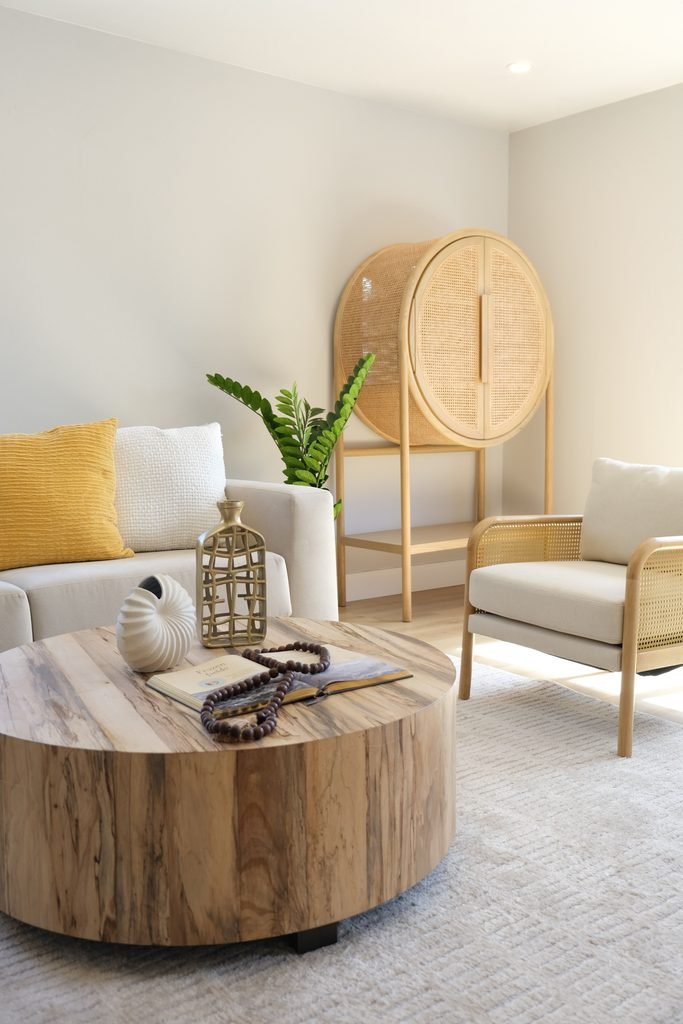
Texture can make even a simple neutral room feel layered and expensive. Look for materials that have depth and variation, such as linen, wool, wood, stone, woven fibers, aged metal, and ceramic. These surfaces tend to reflect light differently and make a room feel more interesting than one filled entirely with smooth, synthetic finishes.
You do not need to replace everything at once. A wool-look rug, linen cushions, a wooden side table, a ceramic lamp, or a textured throw can gradually add richness. Mixing a few different textures is often more effective than relying on bold colors or lots of decorative accessories.
Final Thoughts
Making a home look more expensive is less about spending more and more about being selective. Large artwork, full-length curtains, substantial lighting, carefully chosen accessories, cohesive finishes, hidden storage, and natural textures can all make a space feel more polished without requiring a major renovation.
Focus on scale, simplicity, and materials that feel warm and timeless. A few thoughtful changes can completely shift the way a room feels — and often make it look far more luxurious than the budget behind it.